


Folklore’s Medieval
Order Now
Or, enter to win a FREE core rulebook by signing up to our newsletter. One winner every month through June 2026, must be in the United States.
Order pizza, get drinks, pull out the dice, and get ready for a fresh TTRPG that’ll breathe new life into your game nights!
So what makes Folklore’s Medieval so refreshing? Two things: the system and the setting.

The Folklore System
The Folklore system solves a lot of problems that some of the more famous TTRPGs have. The following are a few examples we would like to highlight.
Problem (Combat) Slow and polite battle slogs that have been littering our front rooms with listless players waiting for their turn. Sure, having an initiative order makes sense, but what if I want to go after the wizard? Well then I delay an action. But what if I want to do something only if the goblin speaks French? Then I need a trigger action. Drink a potion? I think that’s a free action, what do the rules say again?
Then there’s the players that get bored and start eating all your pretzels while playing video games on your couch. It would feel disrespectful, but even the game master can relate. What a tragedy!
Solution Action point system using cards converts a turn-waiting slog into what truly feels like mortal combat — Slapjack! Players are expected to throw down their action cards and announce what their character will be doing for the next 5 seconds. Combat is handled in the order that cards were slapped down, giving combat a true ebb and flow that we see in real world conflict.
(Learn more about action point cards here)
Problem (Rules Referencing) Already mentioned above, but worth its own section, is the abominable and constant rules referencing that brings the game to a grinding halt at least once per session. How many times have you been excited to do something but a question came up, so you look through the rules and everyone else keeps playing the scene, moving past your moment? It can be so frustrating!
Solution Make the rules simple! So simple that after playing the game for a couple weeks, you’ll never have to look up a rule ever again (asterisk). Making the rules simple, while also baking realism into the system was not easy, but the end result is so rewarding.
Problem (Nat 1s and Wild Randomness) Your rogue is surrounded by a dozen angry monsters. Luckily, there’s a ladder next to him that he can climb to safety! So obviously he tries to climb it, something he’s done countless times before. And then he rolls a nat 1! I guess the rogue just forgot how to climb ladders.
Even when things work out, how much of the outcome is chance and how much is skill? With a 20-sided die, there’s a ton of variation on outcome outside the control of skill. And there’s a 1-in-20 chance that no matter how bad they are at something, your character will succeed? I call shenanigans!
Solution Bring randomness down — like WAY down. The Folklore system uses a special 6-sided die called the “d3-star.” (Learn more about d3-star dice here) With it, automatic successes or failures are less common (1-in-36), and character skill becomes more of a factor. However, character skills are also given the small-number treatment, so as to not totally overpower the randomness. This rebalances characters and makes them feel more real and natural in the world they inhabit.
Problem (Math Math Math) Swing your sword and roll to hit. Is that with advantage? Don’t forget that you’re flanking. Oh, and you have sword proficiency. After all that, does 1,286 hit? Great, now I’ll roll for damage.
Everybody basically needs a personal calculator! No joke, I once saw someone play using a tally-clicker! Not to mention how the math starts draining your creative brain power during combat. That’s no fun.
Solution Streamline attacks into a single die roll plus a single number. On the receiving end, subtract a single number. Combat is still dynamic and a canvas for creativity, but it doesn’t slow you down.
Problem (Power Creep) It seems like games are getting easier and easier for players. This is not a bad thing, just a trend. It leaves people who crave a jolt of difficulty and gritty realism (but with simplicity) turning to other games.
Solution The Folklore system is designed for realism without the power creep. Every mechanic, every character, and every monster should feel real. Dealing a blow should feel impactful and within realistic human capabilities.
And More!
The Medieval Setting
Our goal with the Folklore system is to always pair it with well-researched, realistic, and dynamic settings. With Folklore’s Medieval, we worked hard to keep the medieval setting grounded in history and fairy tales.
If you were to build a time machine and bring a copy of our game to a 10th-century European, they wouldn’t know how to read our modern English and probably demand to learn how we figured out acid-free paper. But assuming they could read and understand the game, they should recognize their world reflected in the game. This is a bold claim, but it was the North Star that guided our every decision with the setting.
You’ll see faith and superstition woven into every rule built on top of the Folklore system. Fairy tales, histories, religious texts, and even bills of sale are the medieval sources we have drawn upon to infuse our game with authenticity.
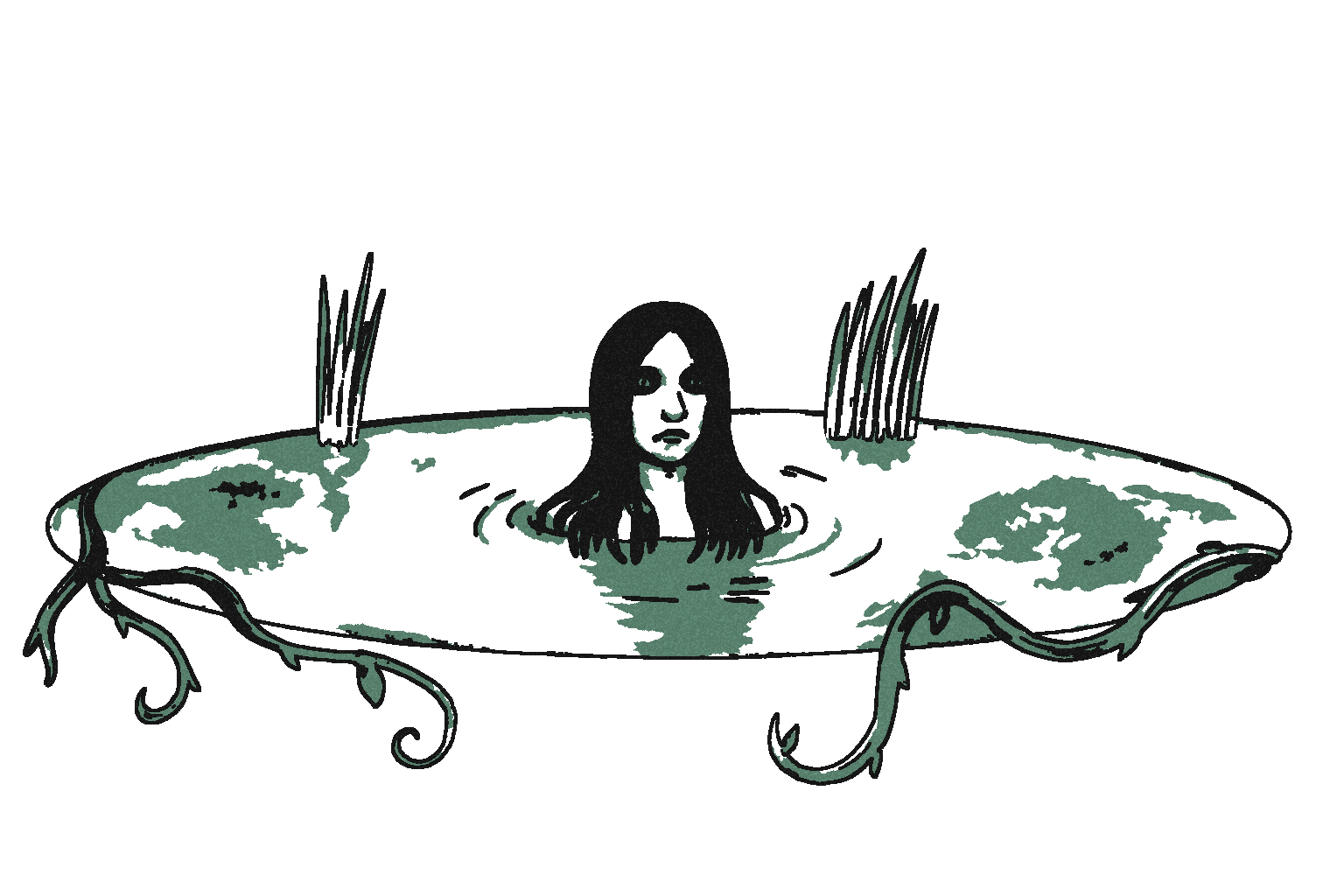
Our monsters are built around the medieval world-view including: vampires that draw strength from your reflection, basilisks that spread disease and pestilence with nothing more than the bad air that emanates from their mouths, or the moor ghouls (read Grendel) that scourge the land, rip people in half, and are overcome by joy and celebration. Download a free monster sampler.
Magic has been calibrated into alignment with fairy tales told by caring mothers to their children. You’ll be able to seamlessly bring King Arthur, Merlin, Sir Gawain, and Morgan le Fay to your TTRPG round-table with our system and setting.
To keep up with latest news, sign up for our newsletter!